

When talking about friends in the north, people will definitely think of the outdoor winter life in the north - basically wearing leather pants with cotton pants, and the exquisite ladies will also wear beautiful scarves and gloves. In a word, how come it is wrapped tightly?
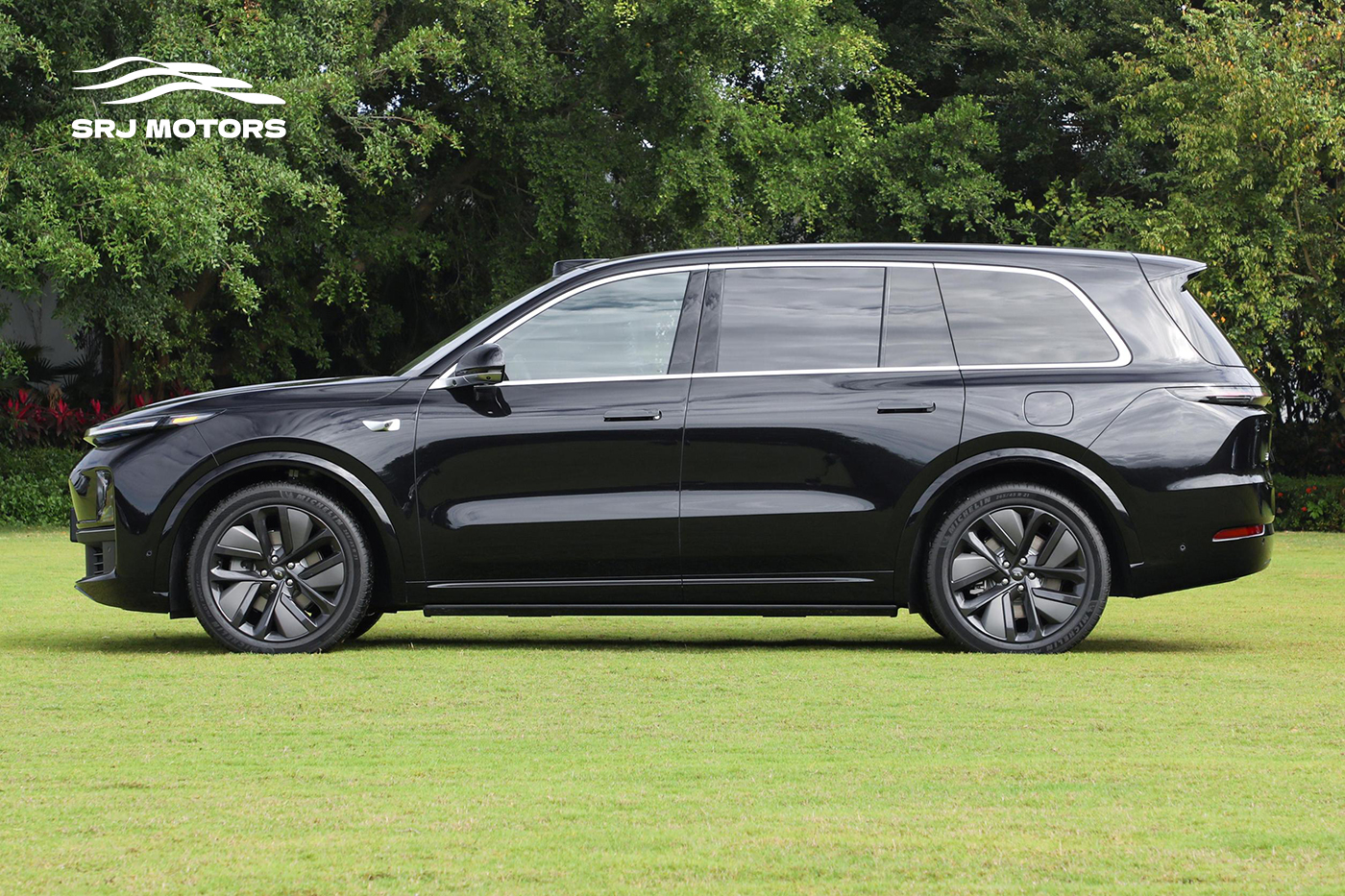
The winter in the north not only affects the outdoor dressing of young brothers and sisters, but also brings a problem to many Electric SUV Car owners in the north. They worry about whether they can turn on the heater or air conditioner when driving an Electric SUV Car in winter. It won`t affect the cruising range. You can`t sit in the car with the same strict attire. So let`s study and solve this problem.
The answer is PTC. At present, the heating source of most Electric Car on the market is basically provided in the form of electric heating, using PTC components with high energy consumption. It is because of this small component that it indirectly affects the cruising range. To put it simply, PTC is what we often call electric blankets, heating pads, hair dryers, and resistance wires that we often talk about in physics classes. These products all belong to the PTC category.
The heating source of the air conditioning system of Gasoline Car is mainly provided by the engine coolant, which is different from the heating system of common Electric Car. The simple understanding is the same as the principle of rapid heating. After power is turned on, the internal electric heating wire heats up and then boils the water. The PTC is more high-tech. It is installed in the small heater water tank of a traditional Gasoline Car. It uses a thermistor as a heat source. After power is turned on, the resistor heats up, and the blower works to cause the air to pass through the element to heat the air. Effect.
This gadget may not be big in size, but it packs a lot of power. This is the reason why Electric Car consume so much electricity after turning on the heater. The PTC components used by manufacturers generally have a power of 2-3kW, and will consume 2-3kWh of electricity for one hour of continuous operation.