

With the increasing awareness of environmental protection and concerns about the running costs of vehicles, Li Auto have attracted much attention. Li Auto use batteries to drive the engine, do not need fuel, and have no exhaust emissions. They can also be recharged via the grid or charging stations, providing a convenient charging solution. Although the features and benefits of Li Auto are well known, it is debatable whether they are suitable for everyone. This article will explore some of the characteristics of Li Auto and assess whether they are suitable for everyone.
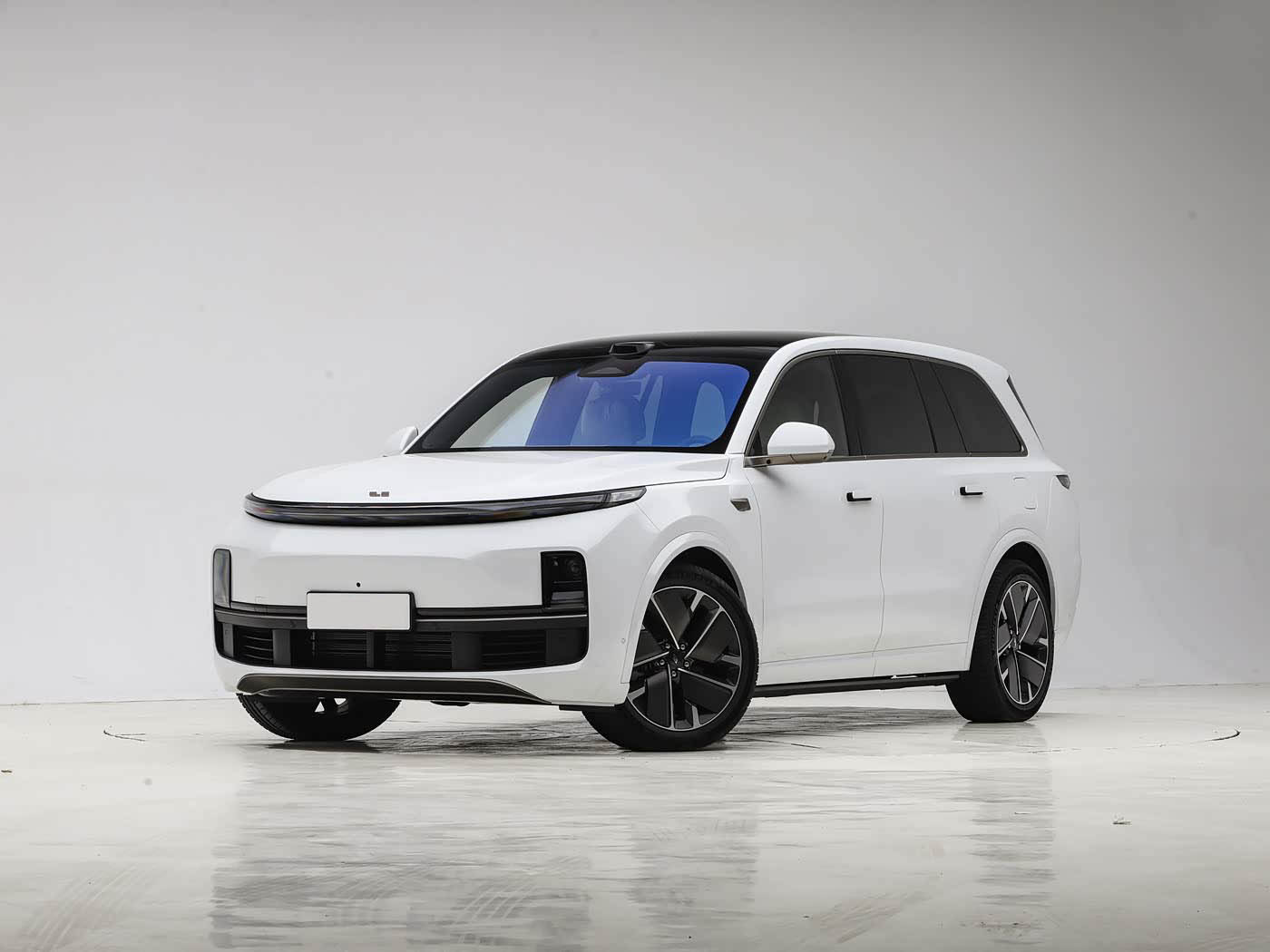
First of all, the environmentally friendly feature of Li Auto is one of their greatest advantages. Since Li Auto produce no tailpipe emissions, their impact on air quality can be significantly reduced. Compared with gasoline vehicles, Li Auto have a much lower environmental impact, especially on urban roads and congested areas. This makes Li Auto ideal for those looking for a greener lifestyle and sustainable development.
Second, Li Auto are relatively cheap to run. Although the purchase price may be higher, the operating cost of Li Auto is much lower than that of conventional vehicles. According to the difference in fuel and electricity prices and the comparison of maintenance costs, the cost per kilometer of Li Auto is lower than that of fuel vehicles. This is very attractive to those looking to save on long-term operating expenses.
However, despite their many advantages, Li Auto are not for everyone. For starters, Li Auto range remains an issue. Due to limitations in battery technology, most Li Auto have a relatively low range and require frequent recharging. This may not be suitable for people who need to travel long distances or in areas without charging infrastructure. In addition, the long charging time of Li Auto requires patience, which may be inconvenient for some people.
Second, the charging infrastructure for Li Auto is still relatively imperfect, especially in some underdeveloped areas. Even though the construction of charging stations is actively advancing, charging may still be a problem for those who live in areas without charging facilities. In addition, the construction of Li Auto charging infrastructure also requires corresponding capital investment, which may increase the cost of purchasing and using Li Auto. Therefore, Li Auto may not be an ideal choice for those who live in remote locations or are less financially well off.
Another issue that cannot be ignored is the charging time of Li Auto and the availability of charging facilities. Although charging facilities for Li Auto are becoming more and more popular, there may be congestion at the charging facilities during peak hours, resulting in prolonged charging times. Additionally, for those without secured parking or parking spaces, the availability of charging facilities may limit their ability to use Li Auto.
Finally, the purchase price of Li Auto is relatively high. Although the technology of Li Auto continues to improve, at this stage, the purchase price of Li Auto is still higher than that of fuel vehicles. That could limit some people's ability to buy Li Auto. In addition, Li Auto have limited battery life and need to be replaced regularly, which also increases the cost of ownership.
To sum up, Li Auto have advantages such as environmental protection and low operating costs, but they are not suitable for everyone. Li Auto range and charging infrastructure issues, along with issues such as charging times and availability, may limit some people's ability to use Li Auto. Additionally, high purchase prices and battery life limitations can also be barriers to buying an Li Auto. Therefore, when deciding whether to purchase an Li Auto, individual needs and conditions need to be fully considered.