

With the increasing awareness of environmental protection and the increasingly serious problem of energy consumption, Electric Car have been widely concerned and accepted as a clean energy transportation tool. However, the development of Electric Car is still challenged by battery technology and performance improvements. This article will provide an in-depth look at the challenges of Electric Car battery technology and measures to improve battery performance.
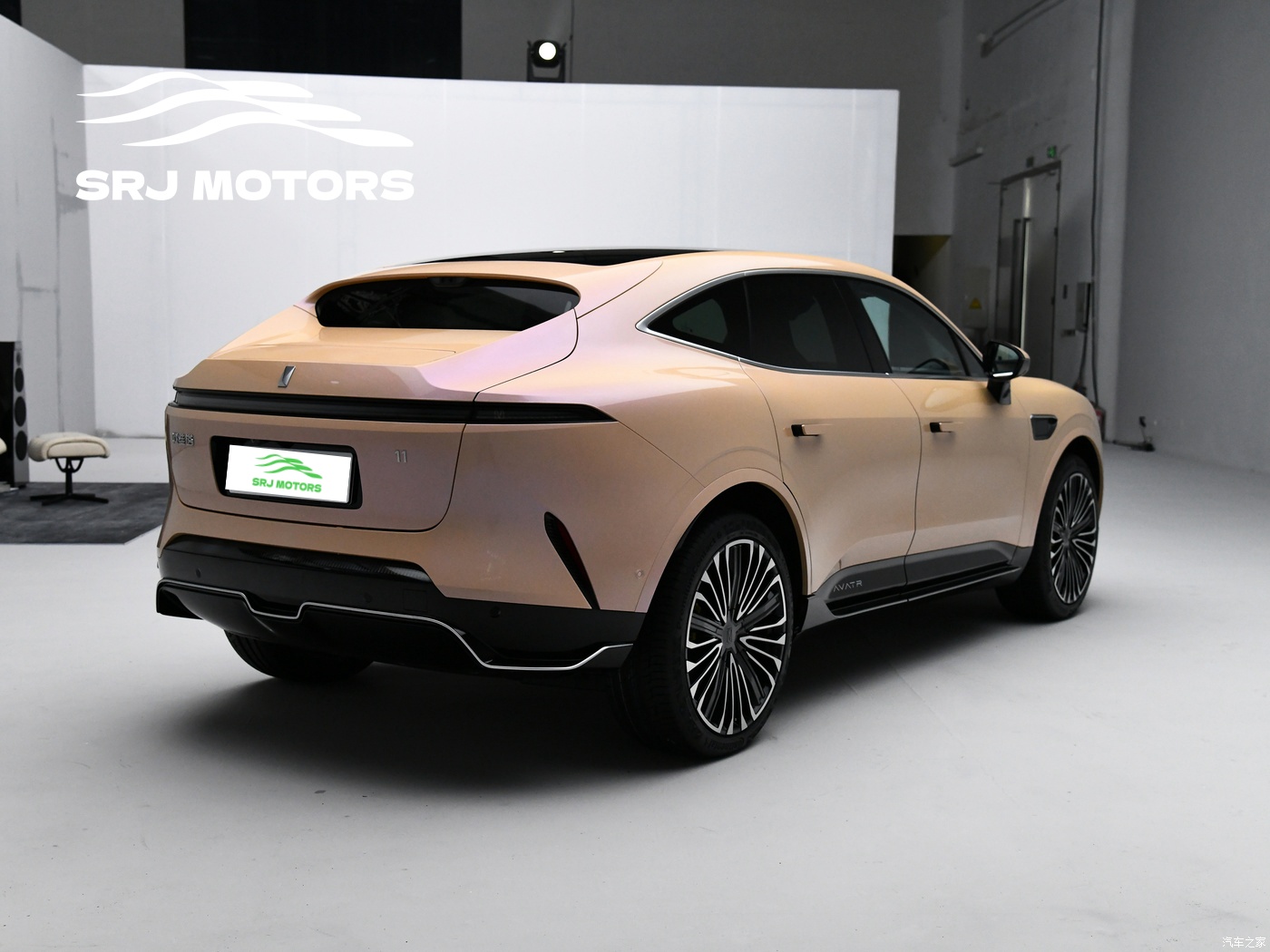
The core component of an Electric Car is the battery, which stores and releases electrical energy to drive the vehicle. However, current battery technology faces a series of challenges. First, the energy density of batteries is still relatively low and cannot meet the needs of long-distance driving. The improvement of battery energy density requires solving difficult problems in materials science and chemical engineering to find more efficient battery design and manufacturing processes.
Second, the charging speed and lifespan of the battery is also one of the challenges. Most current batteries take a long time to fully charge, which limits the use of EVs for long-distance travel. At the same time, the battery has a limited number of charge and discharge cycles, and its capacity and performance will gradually decrease over time. Extending battery life is one of the key issues in improving the performance of Electric Car.
In addition, the battery weight and cost of Electric SUV Car are still high. The weight of the battery has a direct impact on the energy efficiency and range of the vehicle, with a heavier battery increasing the energy consumption of the vehicle and reducing driving range. The high cost of batteries also limits the popularity of Electric Car. Therefore, reducing the weight and cost of batteries is an urgent problem to be solved in the development of Electric Car industry.
To meet these challenges, the Electric Car industry is conducting continuous R&D and innovation. On the one hand, by improving battery materials, such as lithium-ion batteries, solid-state batteries, etc., the energy density and charging speed of batteries can be improved. On the other hand, adopt more advanced charging technology, such as fast charging and wireless charging, to improve the charging efficiency of the battery and the convenience of use.
Additionally, the Electric SUV Car industry is pushing for recycling and recycling of batteries. By recycling useful materials in used batteries, such as rare metals, the dependence on limited resources can be reduced while reducing environmental pollution.
Another way to improve battery performance is the application of vehicle lightweight technology. Reducing the weight of the vehicle itself can reduce the consumption of battery energy, thereby improving the range of Electric Car. Lightweight technologies include the use of lightweight materials such as carbon fiber reinforced polymer (CFRP), aluminum alloys, and optimized vehicle structures.
In addition, the Electric Car industry is also actively promoting the construction of charging infrastructure. A complete charging infrastructure can improve users' charging convenience and experience, and further promote the popularization of Electric Car.
To sum up, the battery technology and performance improvement of Electric Car face many challenges, such as energy density, charging speed, lifespan, weight and cost, etc. However, through continuous R&D and innovation, the EV industry is seeking solutions to these challenges. In the future, with the advancement of technology and the reduction of cost, Electric Car are expected to become the mainstream means of transportation, making important contributions to environmental protection and sustainable development.