

An e-bike navigation system is a handy and useful tool that helps cyclists find their destination more easily and plan the best route. The following will introduce how to use the Electric Car navigation system.
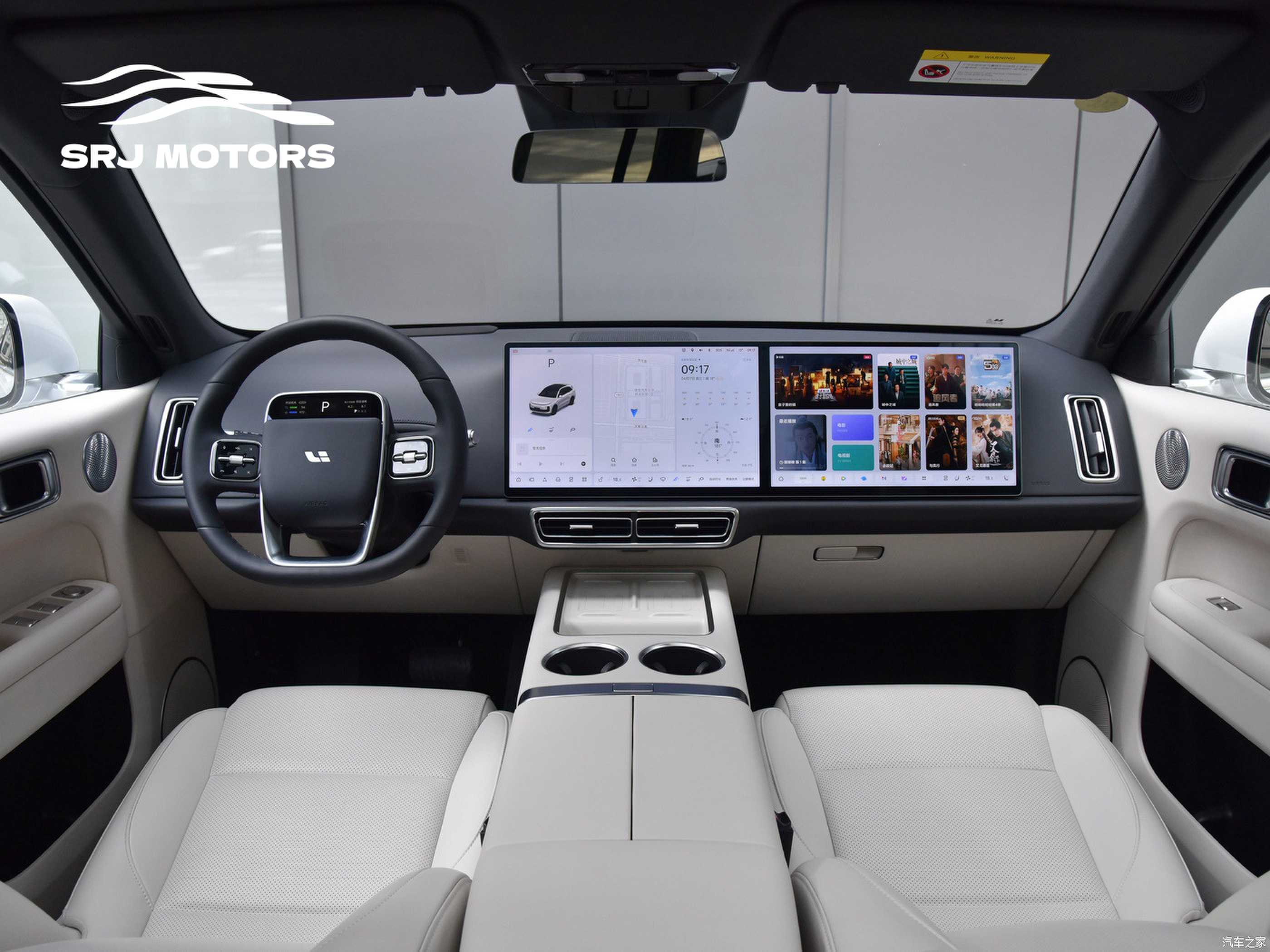
Step One: Know Your Navigation System
Different Electric SUV Car navigation systems may have different operation methods and functions. Before using it, we must first understand the basic operation method and function settings of the navigation system we are using, so that we can use it better.
Step Two: Connect the Navigation Device
Most Electric Car navigation systems need to be connected to a mobile phone or other smart device to work. First of all, we need to make sure that our navigation device is successfully connected with our mobile phone or other smart devices.
Step 3: Enter your destination
Select the destination entry option for the navigation system. Usually, the navigation system provides multiple input methods, such as manual input, voice input, or scanning a QR code. Choose an appropriate method to enter your destination into the navigation system.
Step Four: Plan Your Route
Once a destination is entered, the navigation system automatically plans the best route. You can choose the shortest path, the fastest path, or other paths with special needs (such as avoiding highways). The navigation system will display information such as the estimated travel time and mileage of different routes, and you can choose the appropriate route according to your needs.
Step Five: Start Navigation
After confirming that a suitable route is selected, click Start Navigation. The navigation system will display the navigation route between the current location and the destination in real time, as well as turn-by-turn instructions, road signs and other information to help you navigate along the way.
Step Six: Follow Navigation Prompts
During the navigation process, you need to follow the instructions of the navigation system and follow the planned route. The navigation system will remind you when to turn, change lanes or stop, etc. through sound prompts or screen displays. Be alert and keep an eye out for traffic conditions and road signs.
Step Seven: Live Update
During the navigation process, the navigation system will adjust and optimize the route according to the real-time traffic conditions. It can show traffic jams and offer alternative routes. You can choose whether to accept the system's route adjustment according to the actual situation.
Step Eight: Arriving at the Destination
Once close to your destination, the navigation system will remind you to prepare to arrive. According to the instructions of the navigation system, find the specific location of the destination and stop in time. The navigation system may also provide other functions, such as finding on-street parking or finding nearby services, which can be used as needed.
Step Nine: Record Keeping and Sharing
During the use of the Electric SUV Car navigation system, you can save the navigation records and routes. In this way, you can check the previous navigation route at any time, or share it with others for reference and use.
Step Ten: Protect Privacy and Security
When using the Electric Car navigation system, we must pay attention to the protection of personal privacy and traffic safety. Avoid frequently watching the navigation screen during riding, so as not to affect safety. At the same time, reasonably set the privacy options of the navigation equipment to protect the security of personal information.
In conclusion, the EV navigation system is a convenient and practical tool that can help cyclists better plan their routes and reach their destinations. By understanding the usage method and function settings of the navigation system, we can better use the Electric Car navigation system and improve riding efficiency and safety.