

Batteries are the power source of Electric Car and are also the key factor that has always restricted the development of Electric Car. The main performance indicators of batteries for Electric Car are specific energy, energy density, specific power, cycle life and cost.
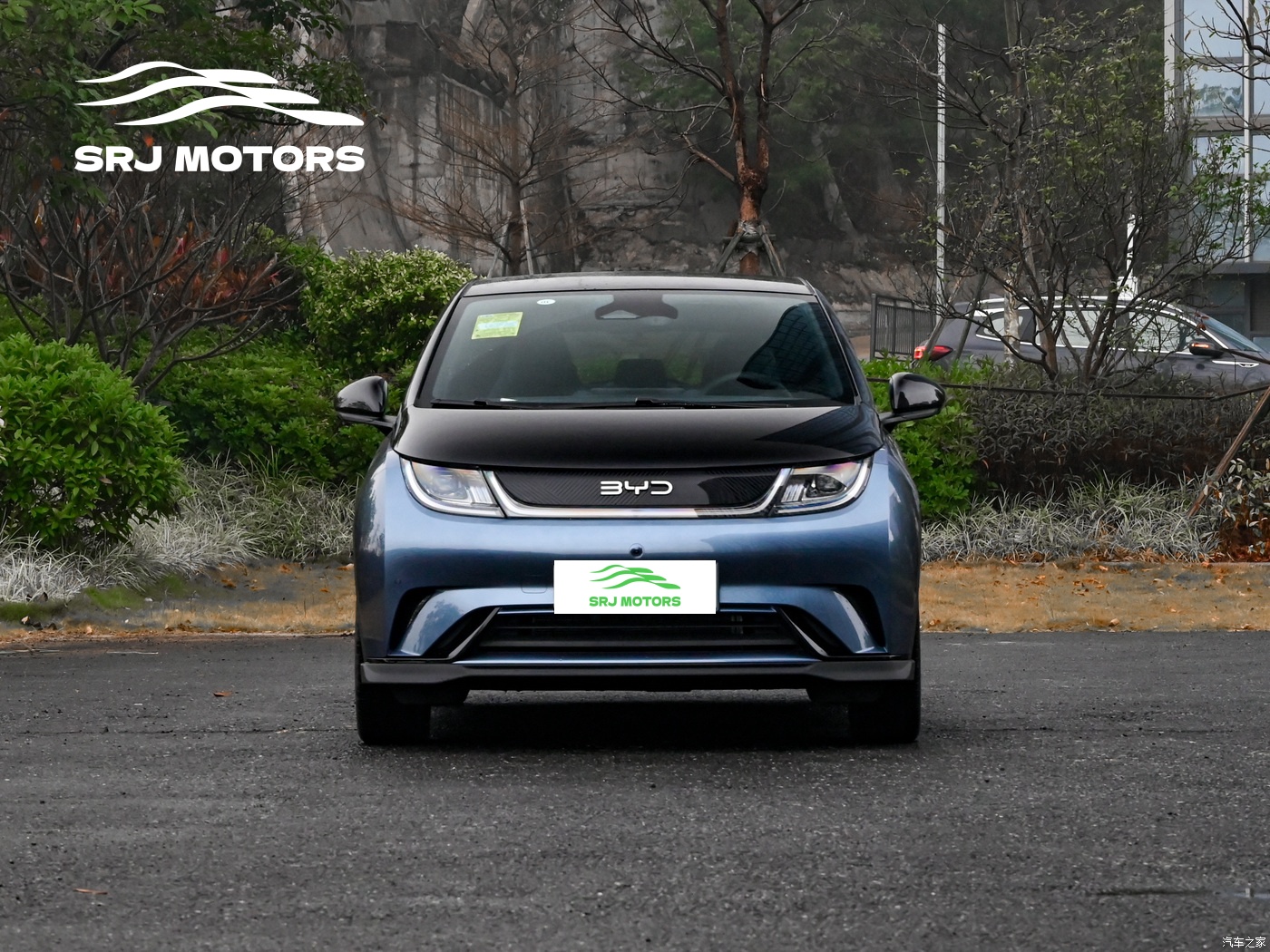
In order for Electric Car to compete with fuel vehicles, the key is to develop batteries with higher energy, greater power and longer service life. So far, Electric Sedan Car batteries have gone through three generations of development and have made breakthrough progress.
The first generation is lead-acid batteries, mainly valve-regulated lead-acid batteries (VRLA), due to their high specific energy, low price and high rate discharge. The second generation is alkaline batteries, mainly nickel-cadmium (NJ-Cd), nickel-metal hydride (Ni-MH), sodium sulfur (Na/S), lithium-ion (Li-ion) and zinc-air (Zn/Air) and other batteries.
Its specific energy and specific power are higher than those of lead-acid batteries, which greatly improves the power performance and driving range of Electric Sedan Car, but its price is higher than that of lead-acid batteries. The third generation is batteries based on fuel cells.
Currently, it mainly refers to hydrogen fuel cells. Fuel cells directly convert the chemical energy of fuel into electrical energy. They have high energy conversion efficiency, high specific energy and specific power, and can control the reaction process. The energy conversion process can be carried out continuously, so they are ideal automotive batteries.